
I’ve made a lot of ribs in my kitchen, but these pineapple wrapped ribs are one of those recipes I keep coming back to—mostly because every time I pull them out of the oven, they smell like a mini vacation. There’s something about the mix of sweet pineapple, caramelized edges, and tender, fall-apart meat that makes me grin before I even take the first bite. If you love ribs but want something a little more playful, a little more tropical, and a whole lot more fun, you’re going to love this.
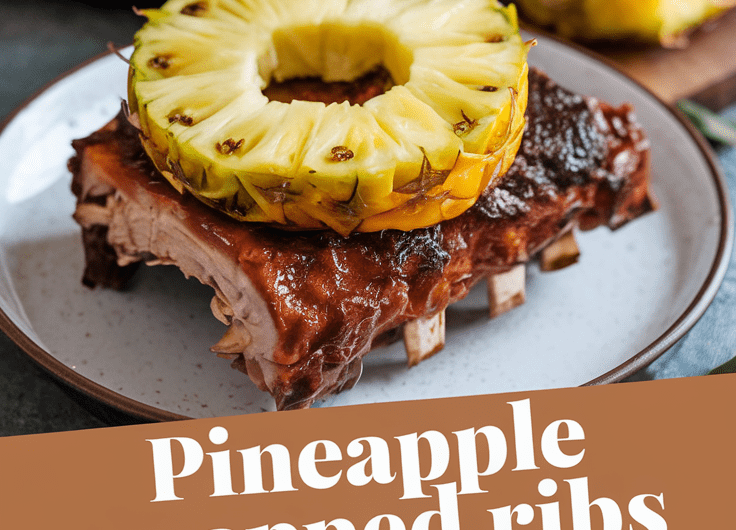
Pineapple wrapped ribs are exactly what they sound like: juicy pork ribs slow-cooked with fresh pineapple slices tucked all around them. The fruit steams, softens, and releases its natural sugars, soaking straight into the meat. The end result is beautifully sticky, slightly smoky (even without a grill), and so tender you barely need a knife.
What makes this dish special is how simple it is. You wrap, you season, you cook. The pineapple does most of the heavy lifting. Even if you’re new to cooking ribs, you’ll end up with a result that tastes way more impressive than the work you put in.
Why You’ll Love This Recipe
- Sweet and savory flavor that feels like a summer barbecue without the grill
- Easy prep with only a few steps and simple ingredients
- Naturally tender ribs thanks to the pineapple’s enzymes
- Flexible enough for weeknight dinners or weekend gatherings
- Delicious leftovers that taste even better the next day
Tools You’ll Need
- Baking dish or roasting pan
- This is where the ribs will bake. A pan with higher sides helps hold all the juices.
- Aluminum foil
- Keeps the moisture in and helps steam the ribs until they’re tender.
- Sharp knife
- You’ll need this for cutting pineapple slices or trimming rib membrane if yours hasn’t been removed.
- Cutting board
- Helpful for prepping pineapple and handling the ribs.
- Tongs
- Makes flipping and moving the ribs so much easier.
- Small bowl
- For mixing your seasonings into a quick rub.
Ingredients (US & Metric)
- 2 racks pork ribs (about 3–4 lb / 1.3–1.8 kg)
- 1 fresh pineapple, peeled and sliced (or 3 cups / 450 g canned pineapple rings)
- 1 tbsp (15 g) salt
- 1 tbsp (12 g) paprika
- 1 tbsp (12 g) garlic powder
- 1 tbsp (12 g) onion powder
- 1 tsp (2 g) black pepper
- 2 tbsp (30 ml) soy sauce
- 2 tbsp (30 g) brown sugar
- 1–2 tbsp (15–30 ml) olive oil
- Optional: 1 tsp (2 g) chili flakes for heat
Instructions
1. Prep the ribs
Pat the ribs dry. If the thin membrane on the back is still on, grab a corner with a paper towel and pull—it comes off easier than you think. This helps the flavors absorb better, so don’t skip it if you can.
2. Mix the seasoning
In a small bowl, stir together salt, paprika, garlic powder, onion powder, black pepper, and brown sugar. I always take a second to smell this mix because it already hints at what the ribs will taste like.
3. Rub the ribs
Drizzle the ribs with olive oil and massage the seasoning onto both sides. Don’t be shy here. You want every nook and cranny coated.
4. Add the pineapple
Lay pineapple slices on the bottom of your baking pan. Place the ribs on top, then drape more pineapple slices over the surface. I like to tuck a few around the edges so the fruit steams the ribs from all directions.
5. Add soy sauce
Drizzle soy sauce over everything. It deepens the flavor and adds a little savory contrast to the sweet pineapple.
6. Wrap and bake
Cover tightly with foil. Bake at 300°F (150°C) for 2.5–3 hours. The steam trapped inside makes the ribs soft and tender—you’ll see what I mean when you try lifting them later.
7. Uncover and caramelize
Remove the foil. Turn the heat up to 400°F (200°C) and bake for another 15–20 minutes. The edges will darken, the pineapple will caramelize, and the whole kitchen will smell incredible.
8. Rest and slice
Let the ribs rest for 10 minutes before cutting. This helps keep the juices in place so every slice stays moist.
Serving Ideas
- Serve with coconut rice for a tropical twist
- Pair with coleslaw for freshness
- Add grilled corn or roasted potatoes for a bigger meal
- Drizzle extra pan juices on top for more sweetness
Variations and Customizations
- For a smoky flavor, add 1 tsp smoked paprika
- Swap soy sauce for teriyaki for a sweeter version
- Add jalapeños or chili flakes for heat
- Use canned pineapple if fresh isn’t available—still delicious
Make-Ahead and Storage
- Make-ahead: Season the ribs and wrap them with pineapple up to 24 hours ahead. Store covered in the fridge.
- Storage: Keep leftovers in an airtight container for 3–4 days.
- Reheat: Warm in a covered dish at 300°F (150°C) until heated through.
- Freezing: Freeze cooked ribs for up to 2 months. Thaw before reheating.
Pro Tips and Mistakes to Avoid
- Let the ribs come to room temperature before baking so they cook evenly
- Don’t skip tightly covering the pan—the steam is what makes the ribs tender
- If using canned pineapple, drain well so the ribs don’t get watery
- Don’t rush the caramelizing step; that last blast of heat is what gives you those sticky edges
- If the ribs look dry before the final bake, spoon some juice from the pan over them
Recipe Details
- Yield: 4–6 servings
- Prep time: 20 minutes
- Cook time: 3 hours
- Total time: about 3 hours 20 minutes
Nutrition (per serving, approximate)
- Calories: 480
- Protein: 33 g
- Fat: 22 g
- Carbs: 38 g
- Sugar: 27 g
- Sodium: 820 mg
I hope you get the same joy out of making these pineapple wrapped ribs as I do. If you try them, I’d love to hear how yours turned out—or what twists you added. Share it, tweak it, make it your own, and enjoy every bite.
Pineapple Wrapped Ribs
4
servings20
minutes3
hours480
kcalPineapple wrapped ribs are exactly what they sound like: juicy pork ribs slow-cooked with fresh pineapple slices tucked all around them. The fruit steams, softens, and releases its natural sugars, soaking straight into the meat. The end result is beautifully sticky, slightly smoky (even without a grill), and so tender you barely need a knife.
Ingredients
2 racks pork ribs (about 3–4 lb / 1.3–1.8 kg)
1 fresh pineapple, peeled and sliced (or 3 cups / 450 g canned pineapple rings)
1 tbsp (15 g) salt
1 tbsp (12 g) paprika
1 tbsp (12 g) garlic powder
1 tbsp (12 g) onion powder
1 tsp (2 g) black pepper
2 tbsp (30 ml) soy sauce
2 tbsp (30 g) brown sugar
1–2 tbsp (15–30 ml) olive oil
Optional: 1 tsp (2 g) chili flakes for heat
Directions
- Prep the ribs
- Pat the ribs dry. If the thin membrane on the back is still on, grab a corner with a paper towel and pull—it comes off easier than you think. This helps the flavors absorb better, so don’t skip it if you can.
- Mix the seasoning
- In a small bowl, stir together salt, paprika, garlic powder, onion powder, black pepper, and brown sugar. I always take a second to smell this mix because it already hints at what the ribs will taste like.
- Rub the ribs
- Drizzle the ribs with olive oil and massage the seasoning onto both sides. Don’t be shy here. You want every nook and cranny coated.
- Add the pineapple
- Lay pineapple slices on the bottom of your baking pan. Place the ribs on top, then drape more pineapple slices over the surface. I like to tuck a few around the edges so the fruit steams the ribs from all directions.
- Add soy sauce
- Drizzle soy sauce over everything. It deepens the flavor and adds a little savory contrast to the sweet pineapple.
- Wrap and bake
- Cover tightly with foil. Bake at 300°F (150°C) for 2.5–3 hours. The steam trapped inside makes the ribs soft and tender—you’ll see what I mean when you try lifting them later.
- Uncover and caramelize
- Remove the foil. Turn the heat up to 400°F (200°C) and bake for another 15–20 minutes. The edges will darken, the pineapple will caramelize, and the whole kitchen will smell incredible.
- Rest and slice
- Let the ribs rest for 10 minutes before cutting. This helps keep the juices in place so every slice stays moist.
Notes
- Let the ribs come to room temperature before baking so they cook evenly
Don’t skip tightly covering the pan—the steam is what makes the ribs tender
If using canned pineapple, drain well so the ribs don’t get watery
Don’t rush the caramelizing step; that last blast of heat is what gives you those sticky edges
If the ribs look dry before the final bake, spoon some juice from the pan over them